
Breathe Easier: Your Guide to HVAC Allergy Relief Solutions
Achieving cleaner air in your home is simpler when you understand how effective HVAC allergy relief solutions work to minimize allergens. Your home’s Indoor Air Quality (IAQ) has a direct impact on allergy symptoms. Fortunately, HVAC systems equipped with advanced filtration, purification, duct cleaning, and humidity control can effectively tackle common irritants like dust mites, pollen, pet dander, and mold spores. This guide will walk you through the most common indoor allergens, how air filtration and purification systems operate, the importance of clean ducts and proper humidity management, best practices for preventative maintenance, and how TJ’s HVAC brings these essential solutions to homeowners throughout Blue Springs, Independence, Lee’s Summit, Greenwood, and the greater Kansas City area. You’ll learn why MERV-rated filters and HEPA media are crucial for capturing irritants, how whole-house purifiers and UV germicidal lights neutralize biological contaminants, the tell-tale signs that indicate your ducts need cleaning, the ideal humidity ranges for allergy sufferers, and how seasonal tune-ups can sustain your relief year-round. By implementing these strategies, you can significantly improve your home’s comfort, reduce allergy triggers, and enhance your HVAC system’s efficiency, all with expert support from TJ’s HVAC.
What Are the Most Common Indoor Allergens Lurking in Your Home?
Indoor allergens are tiny particles that can trigger uncomfortable immune responses. The first step to reducing them is identifying their sources. Dust mites thrive in fabrics and bedding, pollen drifts in through open windows and vents, pet dander circulates as airborne hair and skin cells, and mold spores flourish in damp areas like basements or around leaks. These microscopic irritants can accumulate in your HVAC system and throughout your living spaces, leading to increased sneezing, congestion, and even asthma flare-ups. Indoor air quality is crucial for maintaining a healthy living environment.
Which Allergens Can Your HVAC System Help Control?
When equipped with the right filters and purifiers, your HVAC system becomes a powerful ally in trapping and removing a wide array of allergens from your circulating air. High-MERV filters and HEPA media are adept at capturing microscopic particles like dust mites, pollen grains, pet dander flakes, and mold spores as small as 0.3 microns. Additionally, UV germicidal lights installed within your ductwork can neutralize bacteria and fungal growth, while air exchangers and ventilators help reduce volatile organic compounds (VOCs).
How Do Dust Mites, Pollen, Pet Dander, and Mold Affect Allergy Symptoms?
Dust mites feed on shed skin cells, releasing waste products that can irritate nasal passages. Pollen, especially during allergy seasons, triggers sneezing and itchy eyes. Pet dander carries proteins that can provoke respiratory inflammation, and mold spores are notorious for causing chronic congestion and exacerbating asthma symptoms. When these particles combine, they can increase histamine release, leading to persistent coughing and watery eyes. Indoor air quality is vital to reducing these irritants.
Why Is Top-Notch Indoor Air Quality Essential for Allergy Sufferers?
Maintaining excellent indoor air quality (IAQ) significantly lowers allergen concentrations, reduces airborne contaminants, and actively supports your respiratory health. Consistent IAQ management helps prevent symptom flare-ups, promotes better sleep quality, and enhances your overall comfort. By keeping your ducts clean, your humidity balanced, and your filtration efficient, you establish a solid foundation for long-term allergy relief and optimal HVAC performance.
To understand how specialized filtration captures these pesky particles, let’s dive into the role of air filters in allergen reduction.
How Do Air Filtration Systems Effectively Reduce Allergens in Your Home?
An air filtration system works by passing your home’s air through specially designed media, effectively trapping airborne irritants. This process relies on physical mechanisms—interception, diffusion, and impaction—to capture particles and prevent them from recirculating throughout your home. Installing filters with higher Minimum Efficiency Reporting Value (MERV) ratings can significantly increase the capture of submicron allergens without causing an undue restriction in airflow, thereby improving IAQ and reducing allergic reactions.
What's the Best MERV Filter for Allergies, and How Does It Work?
For optimal allergy reduction, a MERV 11–13 filter is generally recommended, as it can capture up to 95 percent of particles between 1 and 3 microns. These filters utilize pleated fibers to maximize surface area and employ mechanical impaction to effectively trap pollen, pet dander, and mold spores. Regular replacement is key to ensuring consistent performance and protecting your HVAC system components from dust buildup.
How Do HEPA Filters Stack Up Against Standard HVAC Filters for Allergy Relief?
HEPA (High-Efficiency Particulate Air) filters boast ratings exceeding MERV 17, meaning they can remove an impressive 99.97 percent of particles that are 0.3 microns or larger. Compared to standard fiberglass or MERV 8 pleated filters, HEPA media offers vastly superior allergen capture. However, they may require a dedicated blower or a bypass design to prevent excessive pressure drop. Homes dealing with severe allergies often see the greatest benefit from whole-house HEPA integration.
When Should You Replace Your HVAC Filter to Maximize Allergy Protection?
To maintain peak capture efficiency, it’s best to change your filters every 1–3 months. During peak allergy seasons—like spring pollen or fall mold seasons—more frequent replacement might be necessary. Adhering to a bi-monthly schedule during high-allergy periods helps prevent clogged media and preserves essential airflow, supporting consistent IAQ and reducing strain on your HVAC system.
| Filter Type | MERV Rating Range | Particle Capture | Recommended Change Interval |
|---|---|---|---|
| Fiberglass | 1–4 | Larger dust and lint particles | Every 3 months |
| Pleated MERV 8 | 8 | Common pet dander and pollen | Every 2 months |
| Pleated MERV 11–13 | 11–13 | Mold spores and finer dust particles | Every 1–2 months |
| Whole-House HEPA | 17+ | Microscopic allergens and fine particles | Every 6 months |
Higher-rated filters strike a crucial balance between particle capture and airflow, ensuring your system runs efficiently while providing sustained allergy relief. Next, let’s explore the advantages of whole-house purification technologies.
How Air Filtration Systems Trap and Reduce Home Allergens
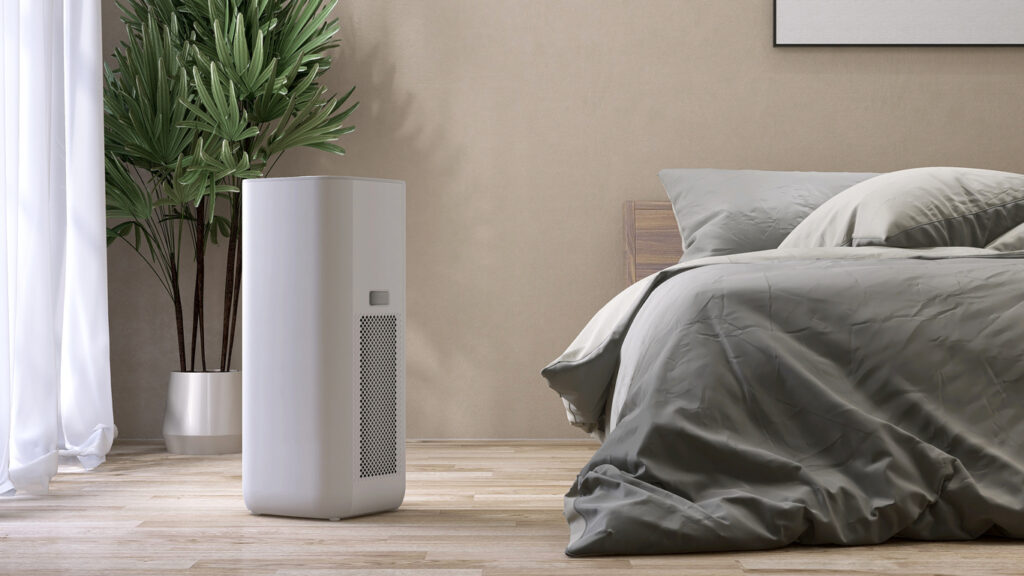
Whole-house air purifiers complement your existing filtration system by actively removing contaminants through a variety of advanced technologies. These integrated systems often feature HEPA media, activated carbon for absorbing odors and VOCs, UV-C lights for neutralizing biological contaminants, and ionization modules that charge particles, encouraging them to deposit on surfaces. By eliminating allergens at their source, these purifiers significantly reduce respiratory triggers throughout every room in your home.
How Do Whole-House Air Purifiers Effectively Remove Pet Dander and Pollen?
These advanced purifiers employ a multi-stage approach. Pre-filters capture larger particles like pet hair and visible dust, while HEPA media efficiently traps fine dander and pollen. Activated carbon then works to adsorb odor-causing compounds. An internal fan ensures consistent airflow through each stage, delivering cleaner, fresher air directly to your ductwork and vents without any manual intervention required.
What Role Do UV Germicidal Lights Play in Reducing Mold and Bacteria?
UV-C germicidal lights, when installed within your HVAC system’s plenum, expose airborne microbes to short-wave ultraviolet radiation. This radiation disrupts the DNA of bacteria, viruses, and mold spores, preventing them from replicating. This process is highly effective at inhibiting mold growth on coils and duct surfaces, reducing the count of airborne bacteria, and eliminating musty odors often associated with microbial contamination.
Are Ionizers and Advanced Air Cleaners Truly Effective for Allergy Relief?
Ionizers work by emitting charged ions that attach to allergen particles in the air. This causes the particles to cluster together, making them heavier and more likely to settle out of the air or be captured by filters. When paired with electrostatic filters or collector plates, ionization can significantly enhance the removal of ultrafine particles. While these systems can be very effective when properly maintained, they perform best when used in conjunction with HEPA filtration and regular duct cleaning.
| Purification Stage | Technology | Primary Benefit | Maintenance Frequency |
|---|---|---|---|
| Pre-Filter | Pleated or washable mesh | Captures pet hair and larger debris | Monthly cleaning |
| HEPA Media | Fiberglass or synthetic fibers | Traps 99.97% of sub-micron particles | Bi-annual replacement |
| Activated Carbon | Porous carbon material | Adsorbs odors and VOCs | Every 6 months |
| UV-C Germicidal Light | Ultraviolet radiation | Neutralizes mold, bacteria, and viruses | Annual bulb replacement |
| Ionization Module | Charged ion emission | Aggregates ultrafine allergens for easier capture | Quarterly cleaning |
Integrating these advanced purification technologies promotes a comprehensive indoor air strategy that goes far beyond basic filtration. To further reduce trapped contaminants, professional air duct cleaning is an essential next step.
How Does Professional Air Duct Cleaning Help Reduce Allergens and Improve Your Home's Air Quality?
Professional air duct cleaning meticulously removes accumulated dust, pet hair, pollen residue, and any microbial growth from your entire duct network. By eliminating these hidden reservoirs of allergens, this service restores unobstructed airflow and prevents the recirculation of irritants throughout your home. The process typically involves specialized vacuum-assisted brushing and, when necessary, sanitizing treatments to prepare your system for optimal IAQ performance.
Does Professional Air Duct Cleaning Significantly Reduce Allergy Symptoms?
Absolutely. Professional duct cleaning plays a crucial role in significantly reducing embedded allergens by extracting trapped particles and any existing biofilms. Studies have shown noticeable decreases in airborne particulate counts and reported symptom severity among allergy sufferers following thorough duct decontamination. Clean ducts contribute to lower overall dust levels and clearer breathing, especially during peak allergy seasons.
Comprehensive Strategies for Controlling Dust Mites and Allergens in Residential Environments
1. Current methods for controlling dust mites in homes include frequent laundering of bedding, encasing mattresses, and, where feasible, removing carpets. This approach, however, does not fully address the challenges posed by fitted carpets in living areas, nor by upholstery in sofas and chairs. Improvements in these areas can be achieved through regular vacuuming, humidity control, and potentially the application of specific acaricides. Nevertheless, no single regimen is entirely effective, and there is a notable scarcity of data regarding the efficacy of various control measures. The management of other allergens present in house dust necessitates careful observation and sustained effort. Cat allergens can persist for months before being eliminated. While fungal allergens are not yet fully characterized, their impact can be mitigated by cleaning practices, reduction of humidity, and removal of indoor plants. Pollen can be introduced into house dust in substantial amounts, making the use of air conditioning during pollen seasons a potentially important strategy to minimize this exposure. Although cockroaches are almost certainly a significant contributor to asthma, the factors influencing the levels of cockroach allergens in homes remain poorly understood.
2. Arguably, the most critical finding is that mite and other foreign proteins found in house dust are implicated in a considerable number of respiratory disease cases, and that the control measures required for these proteins warrant greater attention and implementation.
House dust mite and dust control, S Pollart, 1988
What Are the Key Signs You Need Air Duct Cleaning for Allergy Relief?
Visible dust accumulating around your vents, a persistent increase in household dust despite regular cleaning, musty odors that emerge when your HVAC system runs, and recurring allergy flare-ups even with regular filter maintenance are all strong indicators that your air ducts need professional cleaning. You might also notice uneven airflow or unusual noises coming from your vents if they are restricted by debris.
How Does Duct Cleaning Enhance HVAC Efficiency and Airflow?
By removing obstructions from the duct surfaces, cleaning restores your HVAC system to its designed airflow rates. This reduces the workload on your system’s fan and lowers overall energy consumption. Furthermore, clean ducts allow your heating and cooling coils to operate at peak thermal exchange efficiency, improving the system’s overall performance and potentially extending the lifespan of your equipment. This enhanced efficiency translates directly into more consistent comfort and lower utility bills.
Clearing debris from your ducts is a vital step that sets the stage for precise humidity control, a topic we’ll explore next.
Why Is Humidity Control So Important for Managing Allergens in Your Home?
Maintaining indoor humidity levels between 30% and 50% is crucial because it inhibits the growth of mold and the proliferation of dust mites, both of which thrive in more humid conditions. Proper humidity control helps balance the moisture in your air, preventing the discomfort of dry air irritation and static electricity, while also deterring the damp environments that foster microbial colonies. This balance is essential for supporting respiratory health and preserving your home’s structure.
What Is the Ideal Indoor Humidity Level for Allergy Sufferers?
An optimal indoor humidity range of 35%–45% is ideal for allergy sufferers. This level helps keep dust mites dormant and prevents mold spores from germinating, while also avoiding the dry nasal passages that can worsen allergy symptoms. Using accurate hygrometers allows homeowners to monitor and adjust humidity levels in real time, ensuring maximum comfort.
Humidity Control for Dust Mite Allergy Management in Residential Environments
Reducing relative humidity offers a practical strategy for controlling dust mites and their associated allergens within homes situated in temperate climatic regions. Reducing relative humidity is a practical way to control dust mites and their allergens in homes in temperate climates, 2001
How Can Humidifiers Help with Dry Air Allergies During Winter?
During the colder months, humidifiers release essential water vapor to counteract low winter humidity levels. This helps prevent dry air from irritating your sinuses, throat, and skin. Maintaining consistent moisture levels also reduces static electricity and assists your mucous membranes in more effectively trapping and expelling airborne allergens, thereby easing congestion and coughing.
How Do Dehumidifiers Effectively Prevent Mold and Dust Mite Growth?
Dehumidifiers work by actively extracting excess moisture from the air and surfaces within your home. This process lowers the relative humidity below the threshold required for mold and dust mites to thrive. By collecting water in a built-in reservoir or draining it automatically, dehumidifiers maintain a drier indoor environment that actively deters common allergen sources and protects your overall indoor air quality.
Keeping your indoor air clean is intrinsically linked to sustaining your HVAC system’s performance, which in turn relies on diligent preventive maintenance.
What Preventative HVAC Maintenance Practices Support Long-Term Allergy Relief?
Regular seasonal HVAC tune-ups and thorough system inspections are vital for ensuring that your filters, coils, and ductwork remain clean and fully functional, preventing the buildup of allergens. Consistent maintenance optimizes the performance of your filtration, purification, and humidity control components, helping to sustain excellent IAQ and reduce allergy triggers over the long term.
How Do Seasonal HVAC Tune-Ups Help Reduce Allergens in Your Home?
Seasonal tune-ups typically involve replacing air filters, inspecting the cleanliness of your evaporator coils, calibrating system dampers, and testing the functionality of UV-C lights. These proactive measures effectively eliminate hidden dust and microbial growth, ensuring that each allergen-reduction device operates at its designed efficiency and minimizing the recirculation of harmful particulates.
What Does a Comprehensive HVAC Inspection Entail for Indoor Air Quality?
A comprehensive inspection involves a detailed examination of your air filter’s condition, the cleanliness of your coils and drain pan, the integrity of your ductwork, the proper operation of your humidifier/dehumidifier, and the functionality of any purification devices. Technicians will also check critical performance metrics like airflow, refrigerant levels, and fan performance to identify potential issues before they negatively impact IAQ or trigger allergy flare-ups.
How Do Regular Filter Replacement and Coil Cleaning Improve Allergy Relief?
Consistent filter replacement is essential because saturated media significantly reduces capture efficiency. Similarly, cleaning your coils removes accumulated mold and dust that can be reintroduced into the airstream. Clean coils are vital for maintaining efficient heat transfer, reducing microbial growth, and supporting balanced airflow—all critical factors for sustaining low allergen levels throughout the year.
Keeping your HVAC system in peak condition forms the bedrock for lasting allergy relief and perfectly positions you to benefit from our customized local service solutions.
How Can TJ’s HVAC Services Help You Reduce Allergens in Blue Springs and Surrounding Areas?
TJ’s HVAC provides comprehensive indoor air quality solutions specifically designed to minimize allergens and maximize comfort for homeowners and commercial property managers across Blue Springs, Independence, Lee’s Summit, Greenwood, and the entire Kansas City region. From expert filter installation and maintenance to advanced purification systems, professional duct cleaning, and precise humidity control, TJ’s HVAC seamlessly integrates each component into a single, cohesive strategy for healthier air.
What Indoor Air Quality Solutions Does TJ’s HVAC Offer for Allergy Relief?
- Expert installation and ongoing maintenance for high-MERV and HEPA filters
- Installation of whole-house air purifiers featuring activated carbon and UV-C light technology
- Professional air duct cleaning and sanitizing services
- Installation of whole-house humidifiers and dehumidifiers
- Preventative seasonal HVAC tune-ups and thorough IAQ system inspections
Why Should You Choose TJ’s HVAC for Air Filtration, Purification, and Duct Cleaning?
As your dedicated local IAQ specialist serving the Kansas City area, TJ’s HVAC combines highly skilled technicians, proven allergen-reduction methods, and prompt, reliable service. Our clients consistently benefit from healthier indoor environments, significantly reduced allergy symptoms, extended equipment lifespan, and dependable service backed by our deep expertise in HVAC systems.
How Can You Schedule a Consultation or Service Appointment?
To arrange a detailed indoor air quality assessment or to request expert HVAC allergy relief services, please contact TJ’s HVAC directly by phone or by completing our convenient online inquiry form. Schedule a consultation today to have your specific allergen reduction needs evaluated and receive personalized recommendations for achieving cleaner, healthier air in your home.