
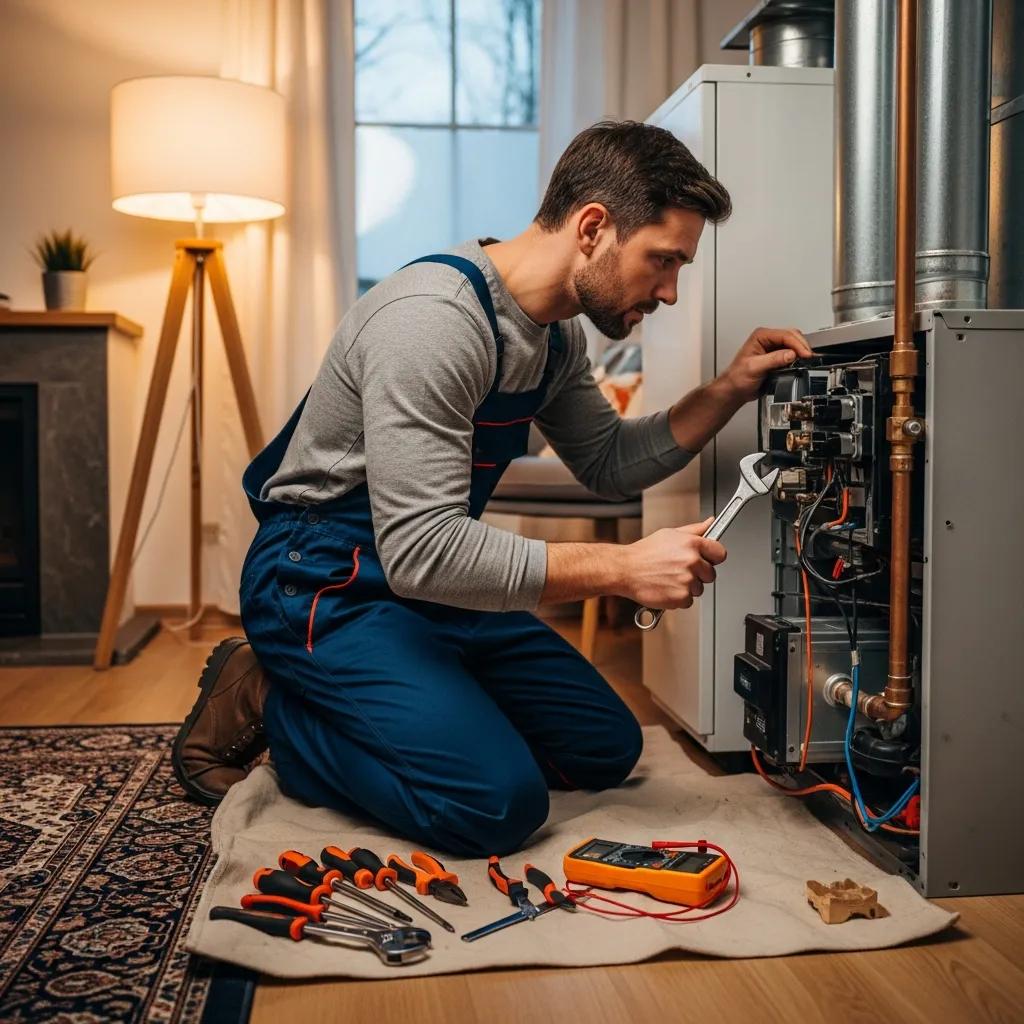
Emergency Heating Repair — Fast, Local Help When You Need It
When your heat stops working in freezing weather, quick, skilled action keeps your family safe and prevents bigger damage. This guide walks you through the first practical steps to take, how to spot true emergencies, and the fast-response process our team uses to get systems back online. You’ll find clear safety checks, simple troubleshooting you can do now, and guidance on when to call for professional emergency furnace or after-hours boiler service in the Kansas City area. We also cover common financing options for urgent HVAC work and the different priorities for homes versus businesses. Read on for easy checklists and technician-level advice that helps you decide when to call for urgent heating service.
Prompt intervention in residential heating failures matters — it protects people and property.
What Should You Do When Your Heating System Fails Suddenly?
A sudden heating outage combines safety concerns with lost comfort. First, look for hazards; then try basic, safe troubleshooting that might restore heat. Start by checking for obvious red flags like a gas smell or burning odor, and confirm the thermostat and power settings. If no hazards are present, run through a few simple checks—thermostat mode and batteries, circuit breakers, and the air filter—so you don’t call for service unnecessarily. If those steps don’t fix the problem, or if you suspect gas or carbon monoxide, stop and call emergency service right away. Professional help prevents unsafe repair attempts. Use the short checklist below to guide your first minutes after a failure.
- Look for immediate hazards (gas smell, visible leaks). Evacuate if you detect them.
- Confirm thermostat power, settings, and battery condition to rule out control issues.
- Check the breaker and replace an easily accessible clogged filter if it’s safe to do so.
- If those steps don’t restore heat—or if you smell gas or burning—contact emergency heating repair immediately.
This checklist helps you decide whether to continue troubleshooting or call for help; the next section explains how to recognize common emergencies and when to wait for a certified technician.
How to Identify Common Heating Emergencies Quickly

Heating emergencies typically show a few clear signs tied to different components: no heat while the blower runs usually means an ignition or fuel issue; loud banging or grinding points to mechanical failure like a failing motor; any burning or gas smell is a red flag requiring immediate evacuation. Focus on three categories: loss of heat, abnormal noises, and unsafe smells or leaks. Note when the issue started and what changed—this information speeds diagnosis when you call a technician. If you see smells, leaks, or persistent cycling, stop troubleshooting and request 24/7 emergency service.
Different systems call for different immediate steps. Use the table below to compare furnace, boiler, and heat pump emergencies so you can triage safely before a professional arrives.
When in doubt, err on the side of safety and call a trained technician.
| System Type | Typical Symptom | Immediate Action |
|---|---|---|
| Furnace | No ignition or frequent short-cycling | Turn thermostat off, check the breaker, and avoid repeated restart attempts |
| Boiler | Visible leaks or low pressure with no heat | Shut off the water source if safe, turn off the boiler, and do not attempt DIY repairs |
| Heat Pump | Ice buildup or no heat during defrost cycle | Clear the outdoor unit area and avoid constantly changing the thermostat |
How Does Our 24 Hour Heating Repair Company Provide Rapid and Reliable Service?
Fast, dependable emergency repair depends on a clear process: swift dispatch, accurate on‑site diagnosis, and repairs performed from well‑stocked trucks by certified technicians who follow safety codes.
Our emergency workflow uses three straightforward steps—dispatch, diagnosis, repair—to reduce time without heat. We match the right technician and parts to your job, and technicians arrive with common replacement parts and diagnostic tools so more repairs are completed on the first visit. We document findings and review recommended work before starting, keeping you informed; and we offer financing options when urgent repairs are needed.
- Dispatch: Quick triage on the phone and fast crew assignment.
- Diagnosis: System inspection and component testing to pinpoint the fault.
- Repair: In‑field part replacement or temporary mitigation with a clear plan for permanent repair.
Below are the operational strengths that let us respond effectively and restore heat quickly.
| Resource | Attribute | Benefit |
|---|---|---|
| Stocked Trucks | Parts and tools on-hand | Faster first-visit repairs and fewer return trips |
| Certified Technicians | NATE-certified personnel | Accurate diagnosis and safe, code‑compliant repairs |
| Mobile Diagnostics | Field testing equipment | Immediate fault isolation, reducing downtime |
What Makes Our Emergency Furnace Repair in Kans City Trusted?
Furnace emergencies often hinge on ignition systems, blower motors, and heat exchangers. Reliable repair starts with pinpointing the failing component and acting quickly. Our local experience across Kansas City and nearby communities — including Independence, Blue Springs, Lee’s Summit, and Greenwood — helps us anticipate common failures and keep the right parts on our trucks. Technicians perform safe ignition checks, evaluate blower motors, and explain the problem and repair options before work begins. That local knowledge shortens response times and increases first‑visit success during winter emergencies.
How Do Our Certified Technicians Ensure Fast Heating Repairs?
Certified technicians combine formal training with hands‑on experience and fully equipped service vehicles to speed repairs. NATE‑certified techs follow a methodical diagnostic sequence—testing ignition, thermostat interfaces, and the blower motor—then complete repairs using on‑hand parts when possible. Clear communication during diagnosis and a written scope of work secure your approval quickly, which keeps the repair process moving. That combination of certification, diagnostic rigor, and communication delivers faster, safer repairs.
Certified professionals make faster, more accurate HVAC diagnoses — residential or commercial.
What Are the Typical Costs and Financing Options for After Hours Heating Repair?
After‑hours and emergency repairs can cost more because of urgency, but clear pricing and financing options make decisions easier during a crisis. We offer flexible payment plans and third‑party financing and walk you through diagnostic findings and recommended scope before any work begins so you can approve repairs with confidence. The table below outlines typical financing routes and how they apply to emergency services without listing specific prices.
| Service Type | Financing Option | What it covers / How to apply |
|---|---|---|
| Emergency Repair | Flexible payment plan | Covers urgent labor and parts; apply during service authorization |
| Major Replacement | Third-party financing | For larger installs; pre-qualification handled through our office |
| Extended Coverage | Warranty extension | Adds protection for parts or labor; discussed during diagnostic review |
This comparison shows common ways to manage emergency repair costs; the next sections explain our transparency practices and how to apply for financing.
How Transparent Is Our Emergency Heating Repair Pricing?
Transparency begins with a written diagnostic summary, a clear scope of recommended work, and explicit authorization before any billable work starts. Technicians explain how each component functions, why a replacement might be urgent, and whether a temporary fix is safe. We review any warranty implications and get your written approval before proceeding. Clear, documented communication prevents surprises and keeps you in control during after‑hours service.
What Financing Solutions Are Available for Urgent Heating Services?
We offer in‑house payment plans and third‑party financing options to spread urgent repair costs over time. During the initial call or diagnostic review, our staff will explain available plans, typical approval timelines, and handle the paperwork to avoid delaying repairs. These options help customers move forward with necessary work while managing their budget.
How Do We Support Both Residential and Commercial Clients with Emergency Heating Repairs?
Emergency priorities differ for homes and businesses: homeowners focus on occupant safety and comfort, while commercial clients prioritize uptime, compliance, and quick recovery. Residential responses emphasize safety checks, temporary comfort measures, and fast scheduling for permanent fixes. Commercial responses center on fast fault isolation, prioritized parts sourcing, and coordination with facility managers to limit revenue loss and meet regulations. The list below highlights key priorities for each.
- Residential priorities: protect occupants, provide temporary heating solutions, and schedule permanent repairs quickly.
- Commercial priorities: reduce downtime, ensure regulatory compliance, and deploy scalable crews and equipment for large systems.
- Shared priorities: clear diagnostics, written scopes of work, and transparent authorizations before any work proceeds.
These differences guide how we allocate crews and equipment during emergencies so the right team addresses your specific needs. If you need immediate assistance, call the emergency service line or email our service team for rapid dispatch.
What Are the Unique Needs of Homeowners During Heating Emergencies?
Homeowners need straightforward safety guidance, short‑term measures to keep vulnerable family members comfortable, and quick, clear estimates for repair or replacement that respect safety and budget. Technicians can perform safe shutdowns, recommend portable heating options, and prioritize repairs before scheduling permanent remediation. Our communication focuses on clear explanations so families can make informed decisions quickly.
How Do We Minimize Downtime for Commercial Heating System Failures?
Reducing commercial downtime takes coordinated escalation, fast parts procurement, and after‑hours crews capable of handling rooftop units and large systems with minimal disruption. We work with facility managers to restore partial service when a full repair requires extra parts or approvals, stage parts for rapid replacement, and provide clear handoffs so operations can resume quickly. The process—rapid diagnosis → prioritized sourcing → staged repairs—helps businesses return to normal service fast.
Ready to Restore Your Heat? Contact Us for Immediate Emergency Heating Repair
When your heating system goes down, every minute matters. Our 24/7 emergency heating repair team in Kansas City is ready to respond with experienced technicians and stocked trucks to get your heat back on quickly and safely. Don’t stay in the cold—contact us now to keep your home or business warm and secure. Rely on our local knowledge and transparent process for dependable heating repairs whenever you need them.
Conclusion
Quick emergency heating repair restores safety and comfort for your home or business. Our experienced technicians diagnose issues thoroughly and act fast to minimize downtime and restore reliable service. By knowing your options and prioritizing safety, you can make confident decisions during a heating emergency. Don’t hesitate to schedule service for immediate help and keep your space warm and secure.