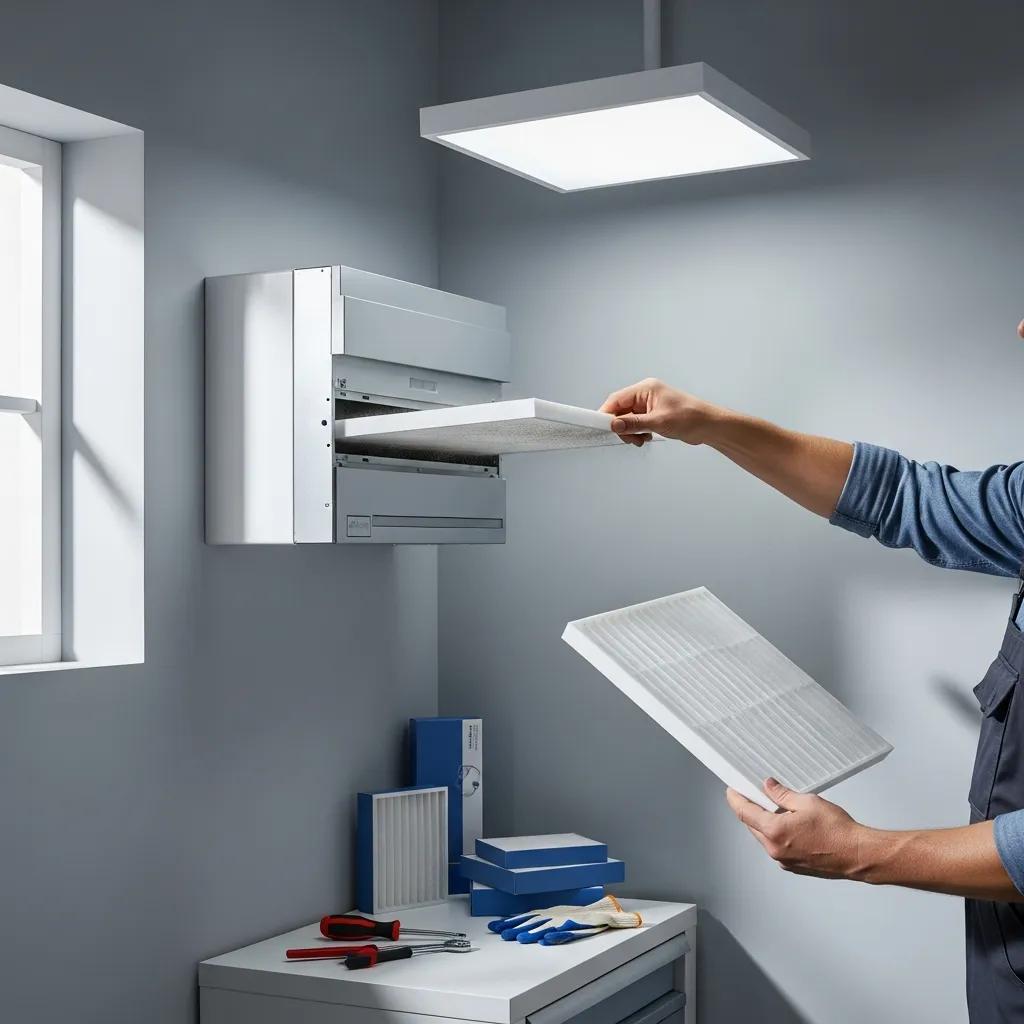
How Often Should You Change Your Air Filter?
At TJ’s Heating, Cooling and Air Purification, we understand that regularly changing your air filter is crucial for maintaining the efficiency and longevity of your HVAC system. A clean air filter not only improves indoor air quality but also enhances energy efficiency, which can lead to noticeable savings on your utility bills. Many homeowners overlook this essential maintenance task, which can cause reduced airflow and increased energy consumption. In this article, we will share why regular air filter changes matter, the recommended replacement schedule, signs that indicate it’s time for a change, and how usage and environment affect filter frequency. We will also guide you on the best types of air filters for your HVAC system.
Why Is Regular Air Filter Replacement Essential for HVAC Systems?
Regular air filter replacement is vital for your HVAC system’s optimal performance. A clean air filter ensures your system operates efficiently, reducing the workload on the unit and preventing potential breakdowns. When filters become clogged with dust and debris, airflow is restricted, causing higher energy consumption and increased utility bills. Dirty filters also compromise indoor air quality by allowing allergens and pollutants to circulate in your home. By changing your air filter regularly, you improve indoor air quality, enhance HVAC efficiency, and save on maintenance costs.
Beyond operational benefits, routine filter replacement is a cost-effective preventive measure that reduces wear on components such as blower motors, heat exchangers, and coils. When these parts are less burdened by particulate buildup, service intervals are longer and repairs less frequent. For homeowners managing a budget, prioritizing filter changes is one of the most effective ways to avoid larger, more expensive repairs down the line.
We at TJ’s Heating, Cooling and Air Purification offer expert services to help ensure your air filters are changed on schedule, keeping your system running smoothly.
How Does a Clean Air Filter Improve Energy Efficiency and Indoor Air Quality?
A clean air filter plays a significant role in improving both energy efficiency and indoor air quality. When air filters are clean, they allow unrestricted airflow, meaning your HVAC system doesn’t have to work as hard to circulate air throughout your home. This efficiency translates to lower energy consumption and reduced utility bills. Additionally, clean filters trap dust, pollen, and other airborne particles, significantly improving indoor air quality. This is especially important for individuals with allergies or respiratory issues, as it helps reduce allergens in the air.
Practically, a filter that allows steady airflow helps maintain consistent temperature distribution from room to room. Consistency reduces the number of on/off cycles the system runs, which can otherwise shorten equipment life. For those sensitive to indoor pollutants, using an appropriately rated filter and changing it often creates a noticeable difference in symptoms such as sneezing, itchy eyes, or persistent dust buildup on surfaces.
What Risks Do Dirty Air Filters Pose to HVAC System Longevity?
Neglecting to change air filters can lead to several risks that jeopardize your HVAC system’s longevity. Dirty filters increase strain on the system, causing it to work harder and potentially leading to overheating and breakdowns. This shortens the unit’s lifespan and can result in costly repairs. Furthermore, dirty filters cause higher energy bills as the system consumes more energy to maintain the desired temperature. Regularly changing your air filter is a simple yet effective way to mitigate these risks and keep your HVAC system running smoothly.
Accumulated dust and particles can also migrate into other parts of the HVAC system: coils can become insulated by grime, sensors can read incorrectly, and vents can become partially blocked. These secondary issues diminish system performance and can create conditions that encourage mold or bacterial growth if moisture is present. Replacing the filter on schedule is a primary defense against this chain reaction.
What Is the Recommended Air Filter Replacement Schedule?
The recommended air filter replacement schedule varies based on filter type, usage, and environmental conditions. Generally, we advise changing standard residential filters every 1-3 months. For households with pets or allergy sufferers, monthly changes may be necessary to maintain optimal air quality. During peak usage seasons, such as summer and winter, more frequent changes may be required.
Below is a practical example schedule you can use as a starting point. Adjustments should be made based on your home’s specific conditions and routine visual inspections of the filter.
| Situation | Suggested Replacement Interval | Notes |
|---|---|---|
| Single-person household, low pets | Every 3 months | Check monthly; replace sooner if visibly dirty |
| Family home, one or more pets | Every 1–2 months | Pet dander and hair increase loading |
| Allergy sufferers or respiratory conditions | Every 1 month | Consider higher-efficiency filters and more frequent checks |
| High dust/pollen area or recent renovations | Every 1 month or after heavy dust events | Temporary increase in frequency recommended |
| Commercial/light use HVAC | Monthly to quarterly | Follow equipment manufacturer’s guidance |
To help you keep track of your air filter replacement schedule, we recommend scheduling regular maintenance with TJ’s Heating, Cooling and Air Purification. Our team can assist in ensuring your filters are changed on time and your system stays efficient.
How Often Should You Change Your Air Filter Based on Usage and Environment?
The frequency of air filter changes depends significantly on your specific usage and environmental factors. Homes with multiple pets may require more frequent changes due to increased pet dander and hair. Similarly, if you live in an area with high dust or pollen levels, you may need to change your filter more often. Monitoring your filter’s condition is key; if it appears dirty or clogged, it’s time for a replacement.
Consider these practical steps when deciding how often to change your filter:
- Inspect the filter visually every 30 days during routine maintenance.
- If the pleats are dark or matted with dust, replace immediately.
- If you notice more dust on surfaces immediately after a filter change, the new filter may be the wrong size or installed incorrectly; re-check fit and orientation.
Seasonal variation matters: spring and fall pollen seasons or dry summer conditions that kick up dust often require closer attention. During winter, if you run the furnace frequently, your filter will load faster than during shoulder seasons when systems run less often.
Which Factors Influence the Frequency of HVAC Air Filter Changes?
Several factors influence how often you should change your HVAC air filter, including:
- Type of Property: Residential properties have different needs compared to commercial spaces. Understanding your specific requirements enhances efficiency.
- Occupant Health Considerations: Individuals with allergies or respiratory issues may require more frequent changes to prioritize health and improve indoor air quality.
- Filter Type and MERV Rating: Higher MERV-rated filters capture smaller particles but may need more frequent changes due to increased airflow resistance. Selecting the right filter type ensures optimal performance.
Other considerations include the number of occupants, frequency of window opening, proximity to roads or construction, and presence of smokers in the home. Each factor raises particle levels and shortens filter life.
To create a durable maintenance plan, document filter sizes and types used in each return grille, note replacement dates, and check filters consistently. This record helps correlate filter life with household behavior and outdoor conditions, allowing you to fine-tune replacement timing.
What Are the Signs That Indicate You Need to Change Your Air Filter?
Recognizing signs that indicate it’s time to change your air filter helps maintain your HVAC system’s efficiency. Key indicators include:
- Reduced Airflow: Weak airflow from vents may signal a clogged filter. Addressing this promptly enhances comfort.
- Strange Odors: Unpleasant smells can indicate a dirty filter needing replacement, which affects indoor air quality.
- Increased Dust Accumulation: More dust settling around your home may result from ineffective filtration, making regular filter checks important.
Other signs include unusual system cycling, louder blower noise, or visible dust around the return grille even after cleaning. If you observe these symptoms, inspect and replace the filter if dirty.
How to Identify Reduced Airflow and Increased Energy Bills as Warning Signs?
Reduced airflow and increased energy bills are critical warning signs your air filter may need changing. If your HVAC system struggles to maintain temperature or your energy bills spike without increased usage, a clogged filter restricting airflow could be the cause. Addressing these issues promptly prevents further complications and maintains system efficiency.
When diagnosing performance issues, check vents and return grills for airflow balance. If swapping in a clean filter restores performance, the filter was likely the cause.
What Visual and Sensory Cues Signal a Dirty or Clogged Air Filter?
Visual and sensory cues indicating a dirty or clogged air filter include:
- Visible Dirt and Debris: Dust and dirt on the filter signal it’s time for a change.
- Increased Dust Around Vents: Dust buildup around vents suggests ineffective filtration.
- Unusual Smells: Musty or stale odors when the HVAC system runs may indicate a dirty filter.
For a clearer check, remove the filter with the system off and hold it up to a light source. If light cannot pass through much of the filter media, replacement is needed. When installing a new filter, mark the date with a permanent marker to make future checks easier.
Which Types of Air Filters Are Best for Your HVAC System?
Choosing the right air filter for your HVAC system is essential for optimal performance. Some of the best options include:
- HEPA Filters: Highly effective at capturing allergens and fine particles, ideal for allergy sufferers.
- Activated Carbon Filters: Excellent at removing volatile organic compounds (VOCs) and odors, improving indoor comfort.
- Pleated Filters: Efficient at capturing a wide range of particles with a longer lifespan than standard filters.
Match the filter’s physical size and airflow tolerance to your HVAC unit’s specifications. Overspecifying filtration can reduce airflow and cause premature component wear, while underspecifying offers limited air cleaning benefits. Consult your system manual or our professionals at TJ’s Heating, Cooling and Air Purification if unsure which filter grade suits your equipment.
Some filter types are reusable or washable. While reusable filters reduce waste and replacement cost, they must be cleaned correctly and inspected for damage to avoid underperformance compared with disposable high-efficiency options.
How Do Different Air Filter Types Affect Replacement Frequency and Air Quality?
Different air filter types influence replacement frequency and air quality. For example, HEPA filters, while highly effective, may need more frequent changes due to their dense structure restricting airflow. Standard fiberglass filters may require less frequent changes but capture fewer particles. Understanding each filter type helps you make informed decisions about maintenance.
Practical guidance includes:
- Higher-efficiency filters (higher MERV or HEPA) trap more particles and can load sooner in dusty environments; inspect monthly in challenging conditions.
- Lower-efficiency fiberglass filters last longer between changes but allow more particulates, which can aggravate allergies.
- Combination filters with activated carbon or antimicrobial layers address odors and microbial growth but require periodic replacement based on loading.
Balance filtration performance with system compatibility. If you choose a higher MERV filter, confirm your HVAC manufacturer endorses that range to avoid airflow problems.
What Are the Benefits of High-Efficiency Filters for Home and Business Use?
High-efficiency filters offer several benefits for home and business use, including:
- Improved Indoor Air Quality: They capture a higher percentage of airborne particles, leading to cleaner air.
- Enhanced HVAC Efficiency: Better airflow reduces the workload on your HVAC system, extending its lifespan and cutting energy costs.
- Energy Savings: Improved efficiency can lower your energy bills, providing long-term financial benefits.
High-efficiency filters are especially valuable in commercial settings with higher occupant density and air quality expectations. In homes, they are most effective when paired with regular maintenance and correctly sized equipment. While they can increase airflow resistance, selecting the proper grade and changing them at appropriate intervals maintains balance between filtration and performance.
Should You Replace Air Filters Yourself or Hire Professional HVAC Services?
Deciding whether to replace air filters yourself or hire professional HVAC services depends on your comfort level and system complexity. DIY replacement is straightforward for standard filters, but for complex systems or if unsure, hiring professionals like us at TJ’s Heating, Cooling and Air Purification ensures correct filter use and safe, effective replacement.
DIY replacement is cost-effective when you have easy access to the filter slot and know the filter size and rating. For complex systems—large central units, packaged systems, or multiple filter stages—professional service ensures proper filter selection, installation, and inspection of related components like seals and gaskets.
What Are the Advantages of Professional Air Filter Maintenance and Replacement?

Professional air filter maintenance and replacement offer several advantages, including:
- Prolonged HVAC System Life: Regular maintenance extends your system’s lifespan and helps avoid expensive repairs.
- Improved Indoor Air Quality: We ensure high-quality filters are used, enhancing air quality for a healthier environment.
- Cost Savings: Preventative maintenance reduces the likelihood of costly repairs, protecting your HVAC system’s health.
Our professional visits also include system inspections: checking airflow, moisture signs, thermostat controls, and safety switches. These checks add value beyond filter replacement and catch issues early.
Utilizing our professional services provides peace of mind and ensures your HVAC system operates at peak performance.
When Is DIY Air Filter Replacement Appropriate and How to Do It Safely?
DIY air filter replacement is appropriate if you feel comfortable and have the right tools. To do it safely, follow these steps:
- Turn Off the HVAC System: Always ensure the system is off before replacing the filter.
- Remove the Old Filter: Carefully take out the old filter, noting its orientation for correct installation of the new one.
- Install the New Filter: Insert the new filter in the same orientation, ensuring a snug fit for optimal performance.
Additional safety tips:
- Wear gloves and a dust mask if the filter is very dirty to limit exposure to trapped particulates.
- Confirm the replacement filter matches the size printed on the frame.
- Check the filter arrow indicating airflow direction—usually toward the furnace or air handler—and align it correctly.
- Record the installation date on the filter frame to track replacement intervals easily.
Following these steps helps you safely replace your air filter and maintain your HVAC system’s efficiency.
How Can Financing Options Make Regular Air Filter Maintenance More Affordable?
We understand that regular air filter maintenance can be a financial consideration. Financing options provide flexible payment plans that fit your budget, allowing you to prioritize essential maintenance without upfront cost burdens. Spreading payments over time ensures your HVAC system receives the care it needs without financial strain.
Financing is especially useful for bundled services—seasonal tune-ups paired with filter replacement or larger maintenance plans including multiple visits. When considering financing, compare terms and choose a plan that aligns with your cash flow and long-term budget goals.
What Financing Plans Does TJ's Heating, Cooling and Air Purification Offer for HVAC Services?
At TJ’s Heating, Cooling and Air Purification, we offer competitive financing plans designed to accommodate various budgets. Our easy application process allows you to access the services you need without delay. Taking advantage of these options helps keep your HVAC system in top condition.
If you prefer to avoid financing, ask us about service bundles or maintenance agreements that provide scheduled visits at a predictable annual cost. Many homeowners find maintenance plans reduce worry about remembering filter changes and include priority scheduling and discounted service rates.
How Does Financing Support Timely Air Filter Replacement and System Care?
Financing options support timely air filter replacement and system care by making it easier for you to commit to regular maintenance. Flexible payment plans let you prioritize essential services without immediate cost stress. This proactive approach helps prevent costly repairs and keeps your HVAC system efficient.
For property managers and small businesses, predictable financing or maintenance contracts keep budgets stable while ensuring HVAC systems are maintained on schedules that meet occupancy and health needs.
How to Schedule Your Air Filter Replacement with TJ's Heating, Cooling and Air Purification?
Scheduling your air filter replacement with TJ’s Heating, Cooling and Air Purification is simple. You can fill out an online service request form or contact us directly at (816) 874-2218. Our team is dedicated to providing convenient scheduling options that fit your needs, ensuring your HVAC system receives the care it requires.
When you contact us, please provide your HVAC system’s make and model if possible, the filter size and type you currently use, and any symptoms you’ve observed such as uneven room temperatures, unusual odors, or higher energy bills. This information helps our technicians prepare and recommend the best filter options for your situation.
What Is the Process for Requesting Professional HVAC Maintenance Services?
Requesting professional HVAC maintenance services from TJ’s Heating, Cooling and Air Purification is straightforward. Visit our website to schedule a service or call our dedicated team for personalized recommendations based on your needs. This ensures you receive the best care for your HVAC system.
During a standard maintenance visit, our technicians inspect filter condition, measure airflow and temperatures, check electrical connections, and look for signs of wear. We also advise on the correct filter grade for your home, replace filters, and discuss options for improving indoor air quality beyond filter selection, such as air purifiers or improved ventilation practices.
To ensure your HVAC system operates efficiently and safely, consider reviewing our maintenance checklist. Regular checks help identify potential issues before they become major problems.
How Does TJ's Heating, Cooling and Air Purification Ensure Convenient and Customer-Centric Service Scheduling?
We prioritize customer convenience through an easy online booking system and a direct phone line for appointments. Our team is committed to providing timely assistance tailored to your schedule, ensuring your HVAC maintenance needs are met efficiently and effectively.
For any questions or to schedule a service, you can contact us directly. Our team is ready to assist with all your HVAC needs in Kansas City, MO.
Schedule Your Air Filter Replacement Today
Don’t wait until your HVAC system shows signs of strain. At TJ’s Heating, Cooling and Air Purification, we are here to help you maintain optimal air quality and system efficiency. Contact us today to schedule your air filter replacement and experience the benefits of a well-maintained HVAC system. Request Service Now.